Could you cope with a Jack Russell? › Forums › Tips and tricks to care for your JRT › Dangers in the kitchen for small dogs
- This topic has 0 replies, 1 voice, and was last updated 1 month, 3 weeks ago by
 auntiebiotics.

Viewing 1 post (of 1 total)
- AuthorPosts
- December 5, 2025 at 8:47 pm #117
Common Kitchen Dangers for Jack Russell Terriers
The kitchen
The kitchen is a VERY dangerous place for small dogs due to a combination of toxic foods, physical
hazards (hot surfaces, sharp objects), and their curiosity and small size, which makes them more susceptible to severe injury or poisoning from even small amounts of harmful substances. I will say this many times but all rooms should be kept in a state of readiness for a danger detective. You would hopefully not allow things to be within range of a toddler such as rotten food and small dog is the sameToxic Foods and IngredientsThe primary danger in a kitchen is the abundance of human food that is toxic to dogs. Small dogs are at an increased risk because smaller quantities of toxic food can cause a severe or fatal reaction due to their tiny body mass.- Xylitol: This artificial sweetener, found in sugar-free gum, candies, baked goods, and some peanut butters, can cause a rapid drop in blood sugar and liver failure.
- Chocolate, Coffee, and Caffeine: These products contain theobromine and caffeine, which dogs struggle to metabolize. Ingestion can cause vomiting, diarrhea, seizures, and even death.
- Grapes and Raisins: These can cause sudden and potentially fatal kidney failure in dogs, and there is no known “safe” amount.
- Onions, Garlic, Leeks, and Chives: All members of the Allium family can cause anemia by damaging a dog’s red blood cells, whether raw, cooked, or powdered.
- Avocados: The leaves, bark, skin, and pit contain persin, which can cause vomiting and diarrhea. The large pit is also a serious choking hazard or can cause an intestinal blockage.
- Raw Yeast Dough: Once ingested, the dough expands in the stomach and the yeast ferments, producing alcohol and causing painful bloating, which can lead to a life-threatening condition called gastric bloat and torsion.
Physical and Environmental HazardsBeyond food, the kitchen environment presents numerous physical dangers for small, curious dogs.- Hot Surfaces and Appliances: Dogs can easily burn their paws or noses on hot stovetops, ovens, and boiling pots. Dangling appliance cords are also a burn and shock risk if chewed.
- Sharp Objects: Knives, forks, and other sharp utensils left on counters or in open dishwashers pose a significant laceration or puncture risk.
- Slippery Floors: Kitchens often have hard, slippery flooring that can be difficult for dogs, especially older or small ones, to navigate, leading to slips, trips, and falls.
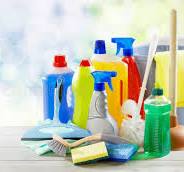
- Cleaning Products: Toxic chemicals like bleach, ammonia, and oven cleaners are often stored in low cabinets, easily accessible to curious pets. Ingestion can cause severe burns or poisoning.
- Garbage Cans: Rubbish bins contain spoiled food, sharp packaging, and other dangerous items. Dogs rummaging for scraps can choke on food bags (snack bag suffocation) or ingest something toxic or sharp.
- Small Gaps: Small dogs and puppies can squeeze into narrow spaces behind or under appliances and get stuck.
PreventionTo keep small dogs safe, veterinarians recommend measures such as using baby gates to block off the kitchen, using child-proof locks on cabinets and bins, and making sure all toxic foods and hazardous items are stored securely and out of reach.-
This topic was modified 1 month, 3 weeks ago by auntiebiotics.
-
This topic was modified 1 month, 3 weeks ago by auntiebiotics.
- AuthorPosts

 hazards (hot surfaces, sharp objects), and their curiosity and small size, which makes them more susceptible to severe injury or poisoning from even small amounts of harmful substances.
Viewing 1 post (of 1 total)
- You must be logged in to reply to this topic.