
Your Ultimate Jack Russell Home Safety Guide: A Room-by-Room Adventure in Terrier-Proofing! (Part 2)
Bringing a new puppy or dogs into your home is an incredibly exciting and joyous occasion, but it also comes with  a significant responsibility: ensuring their safety in an environment full of hidden dangers. Puppies, much like human toddlers, are driven by boundless curiosity and explore their new world primarily with their mouths, often without the slightest inkling of what is safe and what poses a life-threatening risk. Preparing your home, and keeping your home safe for your dog—a process widely known as “puppy-proofing”—is an absolutely crucial step that serves to protect your new companion from accidental injury or poisoning,
The Sneaky Munchies Manifesto: Everything Your Mini Jack Russell Shouldn’t Eat But Absolutely Will If Given Half a Chance.
The Kitchen is the most dangerous room in the house.
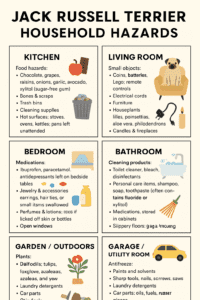
Kitchen
- Food hazards: Chocolate, grapes, raisins, onions, garlic, avocado, xylitol (sugar free gum).
- Bones & scraps: Cooked bones can splinter and cause blockages.
- Trash bins: Tempting but full of sharp packaging, spoiled food, or toxic items.
- Cleaning supplies: Bleach, detergents, and sprays stored under sinks.
- Hot surfaces: Stoves, ovens, kettles, and pans left unattended.
Owning a Mini Jack Russell Terrier is like living with a tiny, four-legged safe-cracker. These dogs are notorious for their high energy, extreme food motivation, and “mischievous thief” personalities.
Because of their small stature even a tiny morsel of toxic human food can have devastating effects on their health.
The following “Sneaky Munchies Manifesto” details the hazards your JRT will likely attempt to pilfer and why you must keep them out of reach.
1. The “Immediate Danger” List (Highly Toxic).
These items are not just unhealthy; they can be lethal in small quantities for a Jack Russell.
Xylitol: (Birch Sugar): Often found in sugar-free gum, sweets, and even some peanut butters. Just one stick of xylitol gum can cause a life-threatening drop in blood sugar and liver failure in a small dog.
Chocolate and Caffeine: Both contain stimulants (theobromine and caffeine) that JRTs metabolize very slowly. Darker chocolate is more dangerous; as little as 5g can be toxic to an average Jack Russell, leading to heart arrhythmias, seizures, and death.
Grapes and Raisins: These are known to cause sudden, acute kidney failure. While the exact toxic agent is unknown, there is no “safe” dose, especially for a small-breed dog.
Onions, Garlic, and Chives: All members of the Allium family (including powders) contain compounds that destroy a dog’s red blood cells, causing hemolytic anemia. Symptoms like pale gums and weakness may not appear for several days.
Macadamia Nuts: These cause a unique reaction in dogs characterized by severe weakness (especially in the hind legs), tremors, vomiting, and high body temperature.
2. The “Hidden Household” Hazards.
A Jack Russell’s curiosity often leads them into the pantry or trash where less obvious dangers lurk.
Raw Yeast Dough: If swallowed, the warm environment of the stomach causes the dough to rise, leading to painful bloating or even a twisted stomach (GDV). Additionally, the fermenting yeast produces alcohol, which is highly toxic to dogs.
Mouldy Foods: Spoiled food or compost scraps can contain tremorgenic mycotoxins. Ingestion can lead to severe muscle tremors and seizures lasting up to two days.
Bones: While raw bones are sometimes used in specific diets, cooked bones are brittle and splinter easily. These can puncture the digestive tract or cause fatal obstructions.
Corn on the Cob: Though the corn itself is fine, JRTs are notorious for swallowing the cob whole, which is a leading cause of intestinal blockage requiring surgery.
Batteries: In their quest to chew everything, JRTs may puncture batteries, causing corrosive burns and ulceration in the mouth and gut.
3. The “Tummy-Ache” & Long-term Risk List.
These may not kill instantly, but they can cause severe distress or chronic conditions.
High-Fat and Fried Foods: Bacon, fatty meat trimmings, or greasy leftovers can trigger pancreatitis, a painful inflammation of the pancreas. Small breeds like Jack Russells can be particularly susceptible to these “room-clearer” digestive upsets.
Most adult Jack Russells are lactose intolerant. Milk, cream, and cheese can cause significant gas, diarrhea, and bloating.
Salty Snacks: Large quantities of salt can lead to salt poisoning, causing seizures and brain swelling. Ensure your dog always has access to fresh water.
Living Room
- Small objects: Coins, batteries, Lego, remote controls.
- Electrical cords: Chewing risk → electrocution.
- Furniture: Jumping off high sofas or unstable tables can cause injury.
- Houseplants: Lilies, poinsettias, aloe vera, philodendrons (toxic if chewed).
- Candles & fireplaces: Burns or ingestion of wax.
Bedroom
- Medications: Ibuprofen, paracetamol, antidepressants left on bedside tables in fact any medicine.
- Jewellery & accessories: Earrings, hair ties, or small items swallowed.
- Perfumes & lotions: Toxic if licked off skin or bottles.
- Open windows: Risk of escape or falls.
- The Bed Itself: Dont put puppy or small dog on a bed without supervision. (A injuries due to the height of the bed could occur)
Bathroom
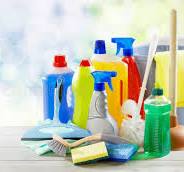
- Cleaning products: Toilet cleaner, bleach, disinfectants.
- Personal care items: Shampoo, soap, toothpaste (often contains fluoride or xylitol).
- Medications: Stored in cabinets but dangerous if dropped.
- Slippery floors: Risk of injury when running.
Garden / Outdoors
- Plants: Daffodils, tulips, foxglove, azaleas, and yew are toxic.
- Fertilizers & pesticides: Highly poisonous if ingested.
- Sharp tools: Rakes, shears, lawnmowers.
- Escape routes: Gaps in fences or unsecured gates.
- Standing water: Risk of parasites or drowning in ponds.
Garage / Utility Room
- Antifreeze: Extremely toxic, even small amounts.
- Paints & solvents: Dangerous if chewed or inhaled.
- Sharp tools: Nails, screws, saws.
- Laundry detergents: Pods are especially hazardous.
- Car parts: Oils, fuels, and rubber pieces.
Terrier Proofing Tips
- Store all food and chemicals in locked cupboards.
- Use cord covers and keep small items out of reach.
- Provide safe chew toys to redirect chewing instincts.
- Supervise playtime in risky areas (garden, garage).
- Secure fences, windows, and doors to prevent escapes.
see: Keeping your home safe part 1
You can click on photo in next page and print to keep the tips handy



Pingback: Making your home safe for small dogs - MiniJacks